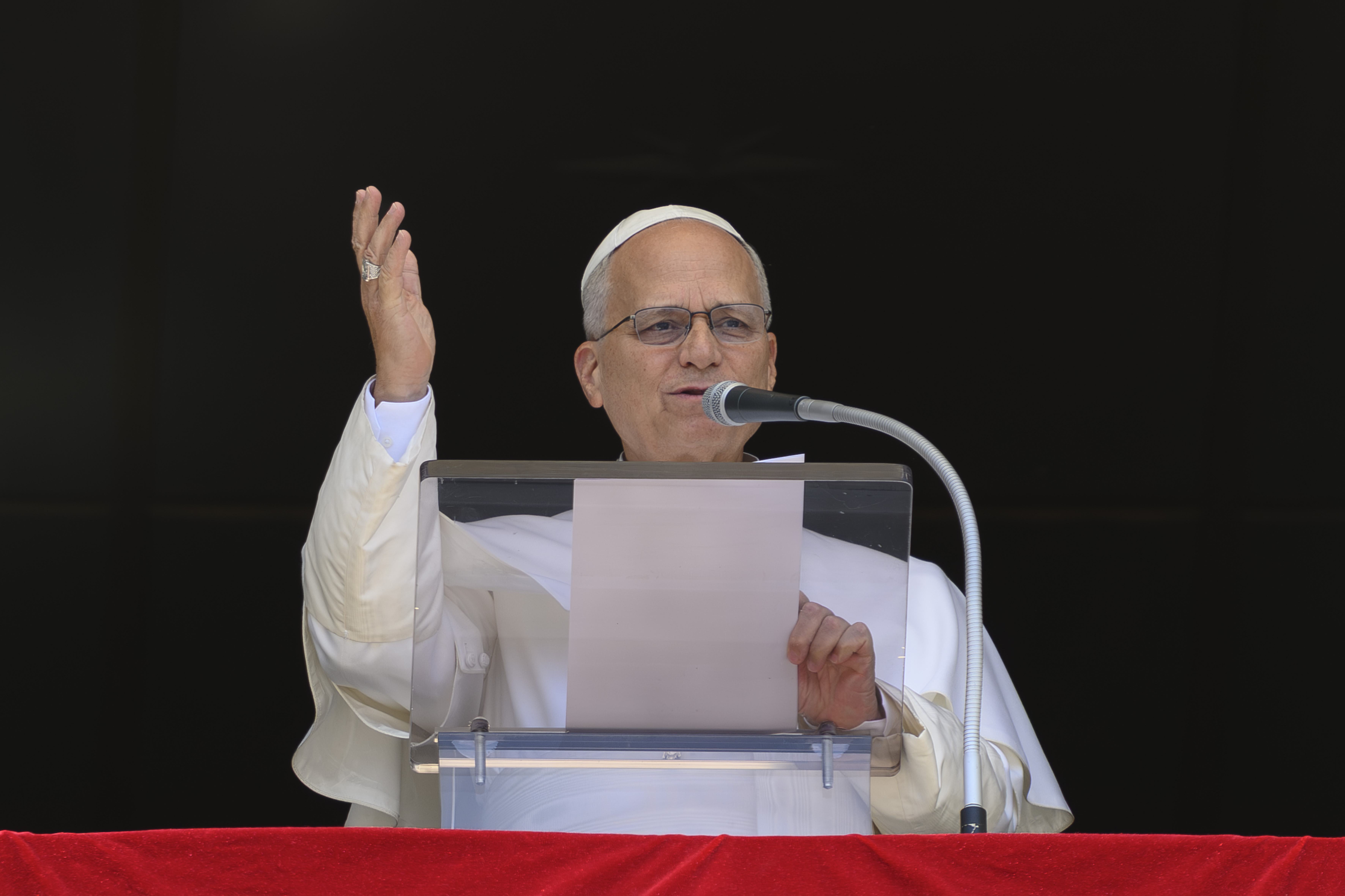
During his Aug. 23 Angelus address at the Vatican, Pope Leo XIV remembered the victims of an Ebola outbreak in the Democratic Republic of Congo and of a deadly mining landslide in the Central African Republic.
“In my prayers, I often remember the Democratic Republic of the Congo, especially in light of the spread of the Ebola epidemic, which is sadly claiming many lives. I encourage on the part of the international community a response that also involves local communities in efforts of prevention, so that many human lives may be saved,” Leo said.
The recent Ebola outbreak in the Democratic Republic of Congo was first declared in May 2026, claiming the lives of close to 2,500 people, according to an Aug. 21 BBC report. The country is currently distributing a vaccine against the virus, and public health officials have declared it the deadliest outbreak in the country’s history.
On Aug. 18, a landslide at a gold mine near Zamboyé in western Central African Republic buried and killed more than 100 workers, according to an Aug. 19 BBC report. Rescue efforts are ongoing for potential survivors, and Pope Leo prayed for all those who lost their lives in the disaster.
“I am also close to the people of the Central African Republic, who are mourning the victims of the collapse at a mine in Zamboyé. May the Lord receive those who have lost their lives and sustain efforts to ensure safety and respect for the law at mining sites,” the pope said.
‘Who is Jesus for me?’
During his Angelus, Leo also preached on the Gospel of the day, in which Jesus asks his disciples about his identity and Peter’s confesses his faith in Jesus as the Son of God.
The pope noted that the question of Jesus’ identity is decisive for one’s everyday experience of discipleship.
“The question that is put to us each day — who is Jesus for me, and what does his presence mean in my life? — emerges especially in prayer and when we meditate on the Gospel,” Leo explained.
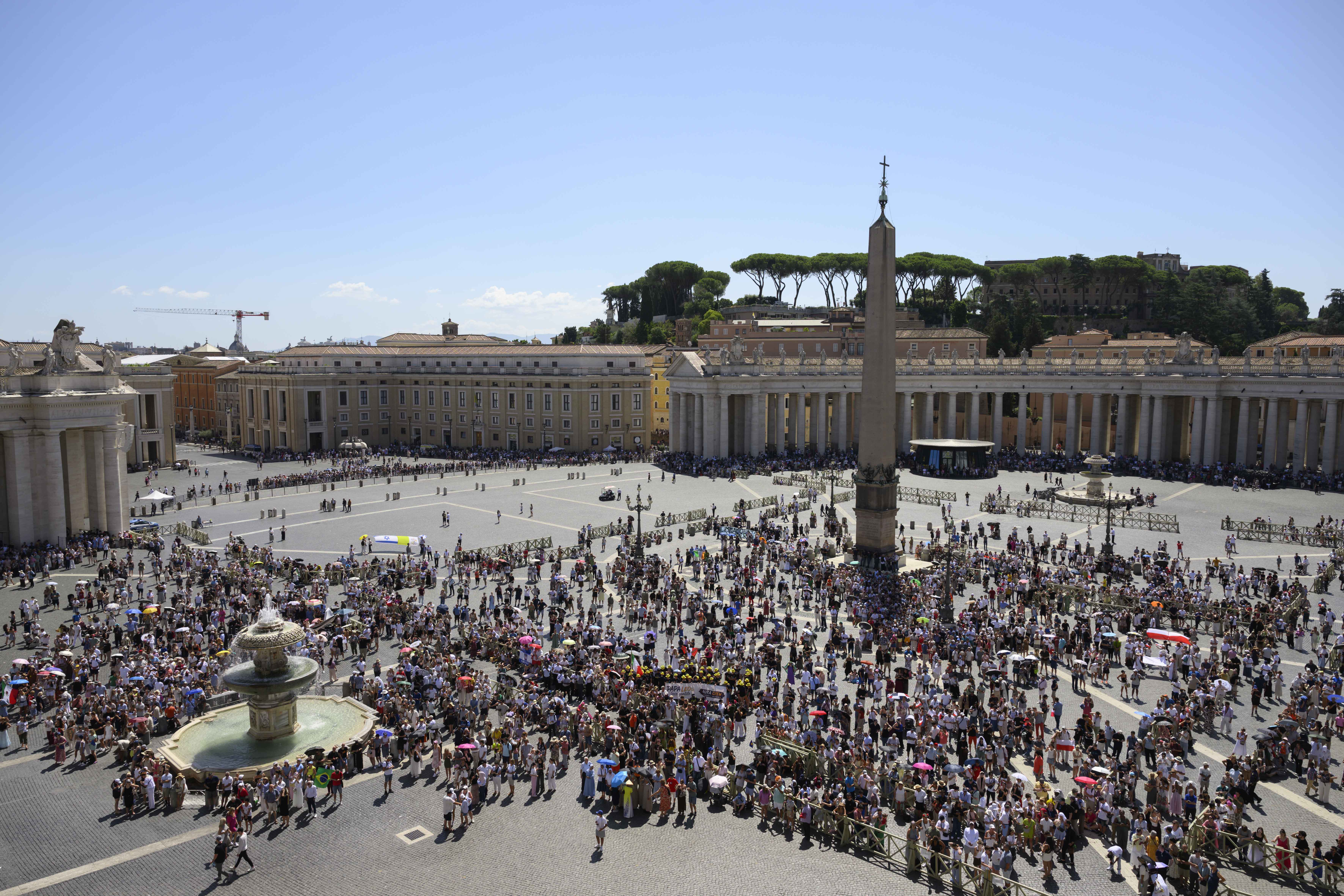
“In our daily lives, in short, we can discover whether the Lord Jesus is for us merely a great figure of history … or the Christ of God, the One sent to bring us into the love of the Father and to transform our lives and the world in which we live,” the pope added.
The pope then encouraged the faithful not to be content with their own convictions about Christ, but to “remain open to an authentic relationship with Christ.”
“Yet Jesus calls us to give a personal response, to know him more closely and to allow ourselves to be shaped by friendship with him through an ever new encounter. This may also ask us to follow unfamiliar paths and to make choices different from those we had imagined.”